Child labor in Elche
09-11-2021
INTERNATIONAL YEAR FOR THE ERADICATION OF CHILD LABOR
The World Labor Organization has designated 2021 as the International Year for the Eradication of Child Labour, which is why we want to dedicate this showcase to make visible this reality that plagues children in less developed countries, but also to remember that not so long ago this too it was a fact in our closest environment.
Currently, 160 million girls and boys between the ages of 5 and 17 work. Nearly half (79 million) engage in some of the worst forms of child labour, such as slavery, trafficking, forced labor or recruitment for armed conflict. The Covid-19 pandemic and the closure of schools are aggravating this situation, increasing the number of working children for the first time in 20 years.
*Data from the report “Child Labor: Global Estimates 2020, Trends and the Way Forward”. UNICEF, 2020.
IQBAL MASIH
The case of Iqbal Masih was a shock that mobilized the international community against child labor. This Pakistani boy was left by his parents in a carpet factory, in payment of a debt, when he was 4 years old. The factory owner kept Iqbal chained to a loom for more than 12 hours a day until, at the age of 10, the boy managed to escape. Since then, he dedicated himself to denouncing the situation of thousands of children in the same conditions, managing to close several factories and imprison their owners. On April 16, 1995, at the age of 12, he was shot to death while riding a bicycle. Since 1998, this day has been adopted as World Day Against Child Slavery.
CHILD LABOR IN ELCHE
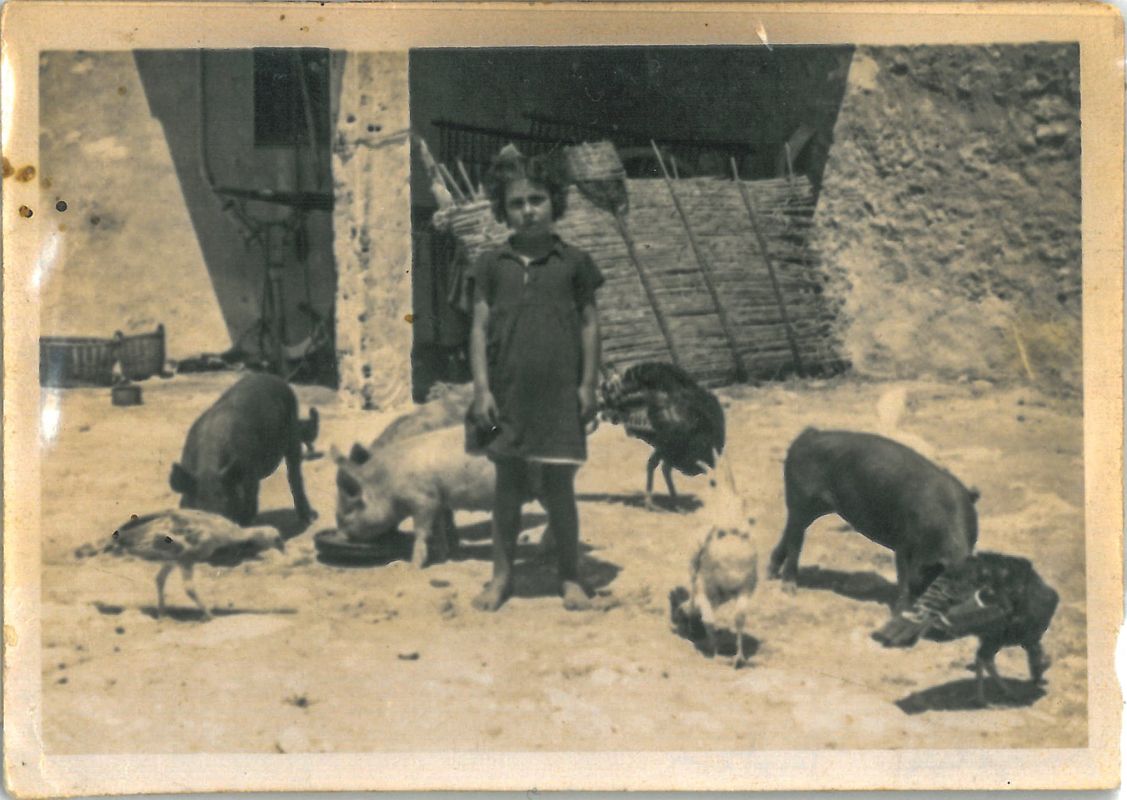
Until the mid-twentieth century in Spain, especially in rural areas, it was common for boys and girls to help with housework, animal husbandry and farm work, actively contributing to the family economy. For many of these people, childhood consisted of combining play with work, with little access to regular education.
According to Unicef “Child labor is not just any task performed by a child. These are tasks that require many hours of dedication, for which they are too young, that put their health and well-being at risk, that steal play time and that separate them from education.” We must therefore distinguish between domestic help and dedication to work.
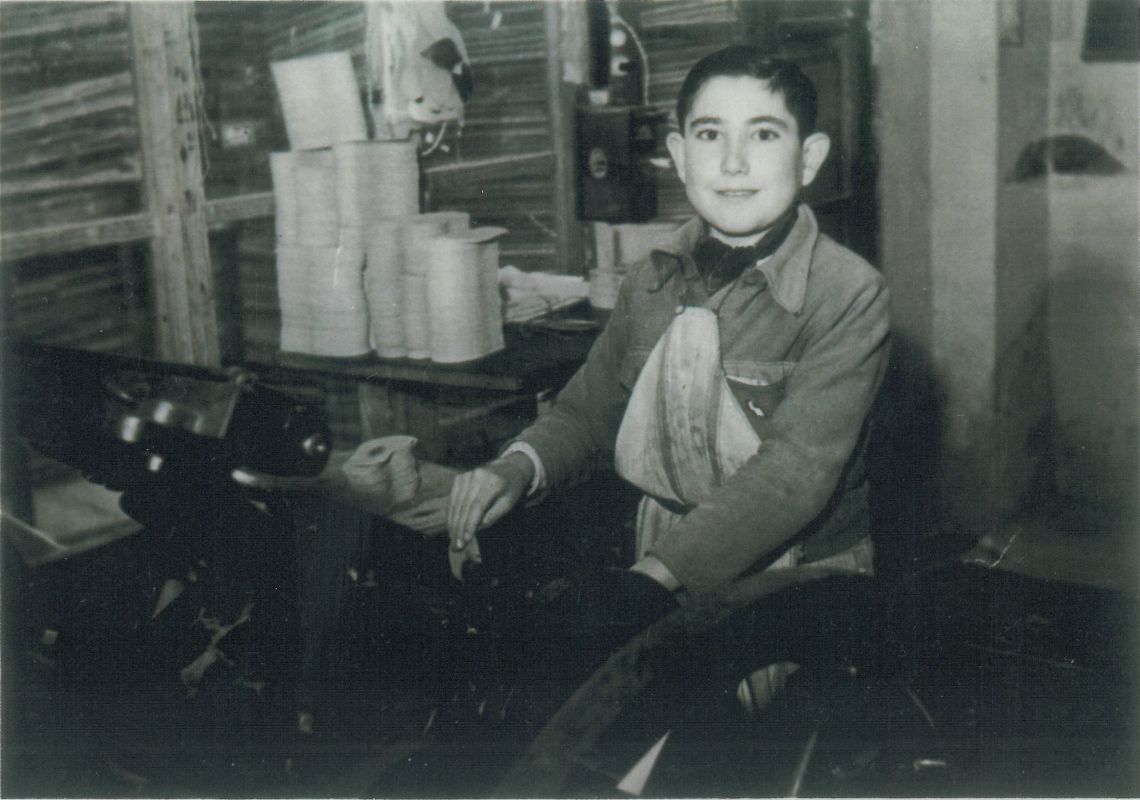
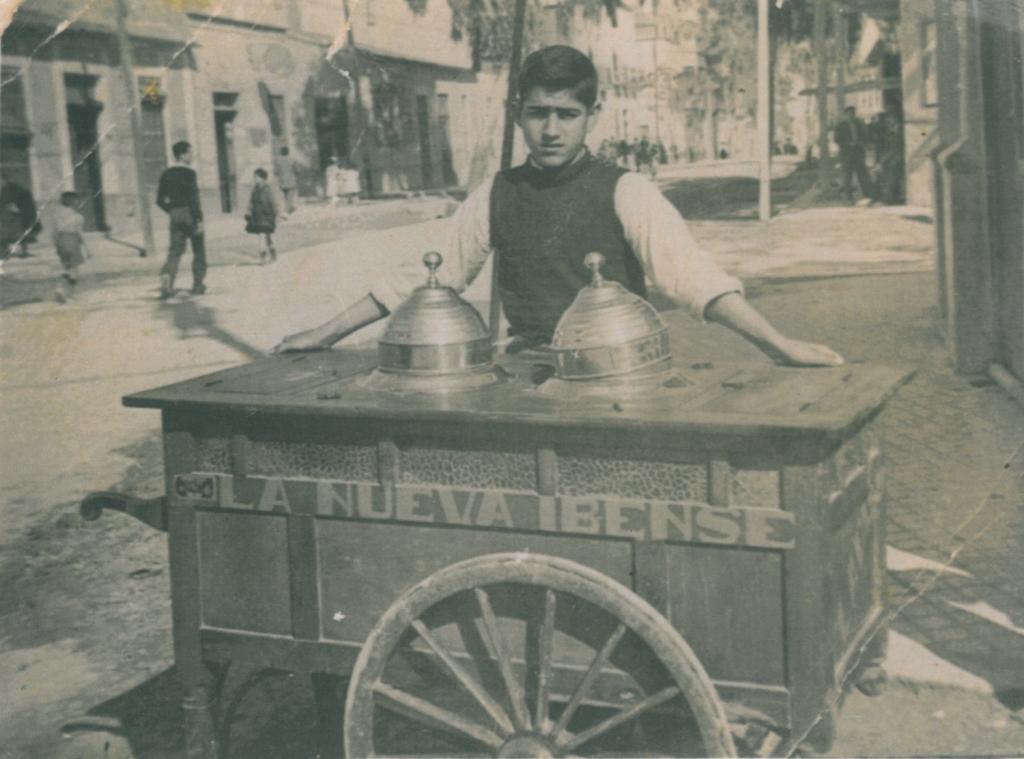
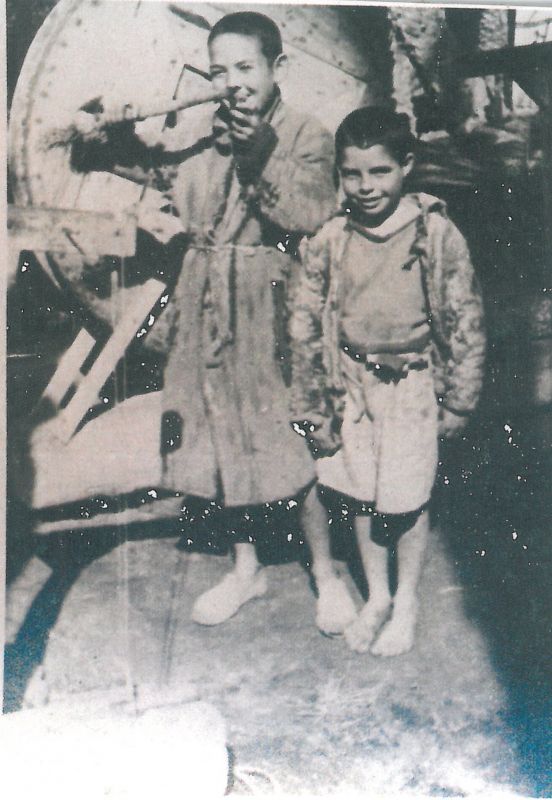
Children who, at just over 10 years old, were already acting as cattle herders; the girls who spent the day sewing or embroidering for their mother's clients, often combining it with household chores; those who were sent to serve in a wealthy home, or the children who soon entered a workshop or factory to learn a trade… All these people experienced child labor in their own skin, only a generation separates us from them.
Special mention deserves the trade of menaor, perhaps the most representative of child labor in Elche. They used to be children of about 8 or 10 years old, who were in charge of turning the wheel from dawn to dusk, receiving a miserable salary and suffering constant insults from their superiors. The espadrille industry used child labor until the middle of the s. XX.
Author: José Aniorte, cultural manager of the School Museum.