The aesthetics of gangster cinema cartelism
18-03-2021
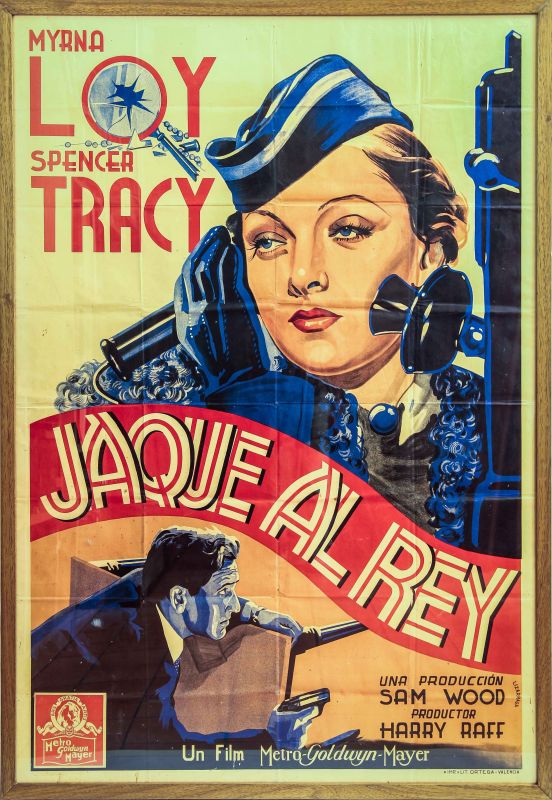
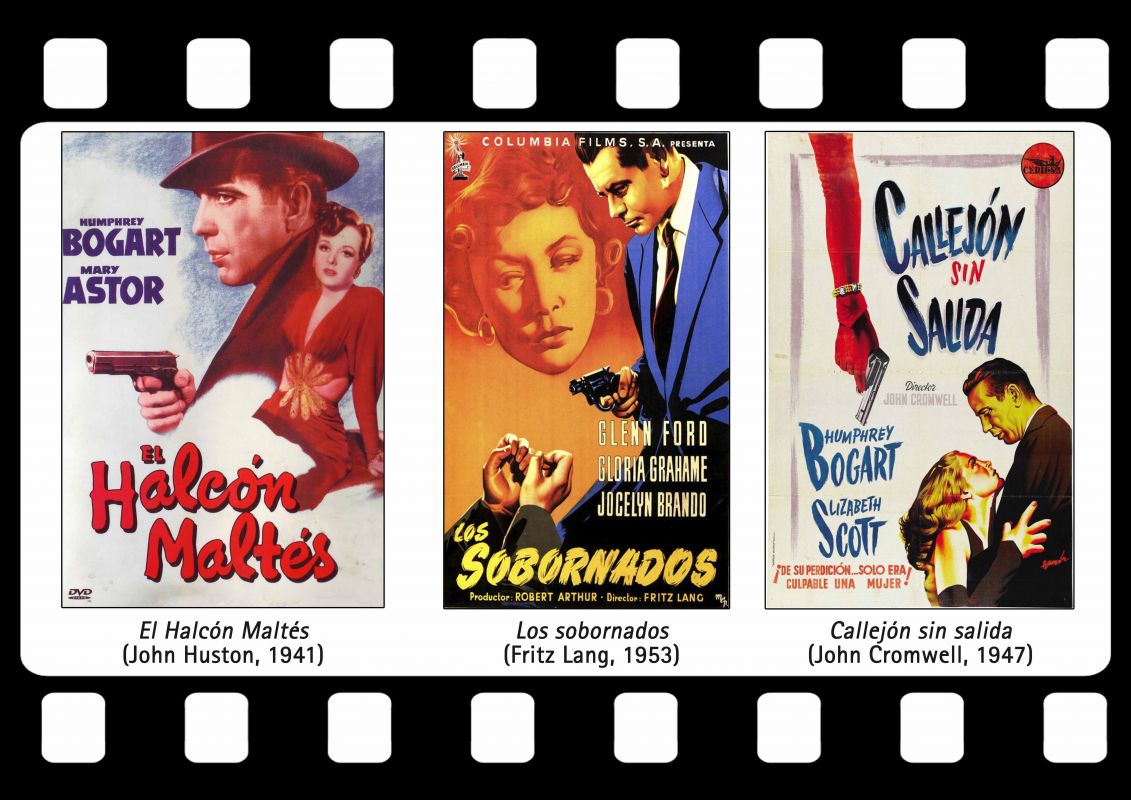
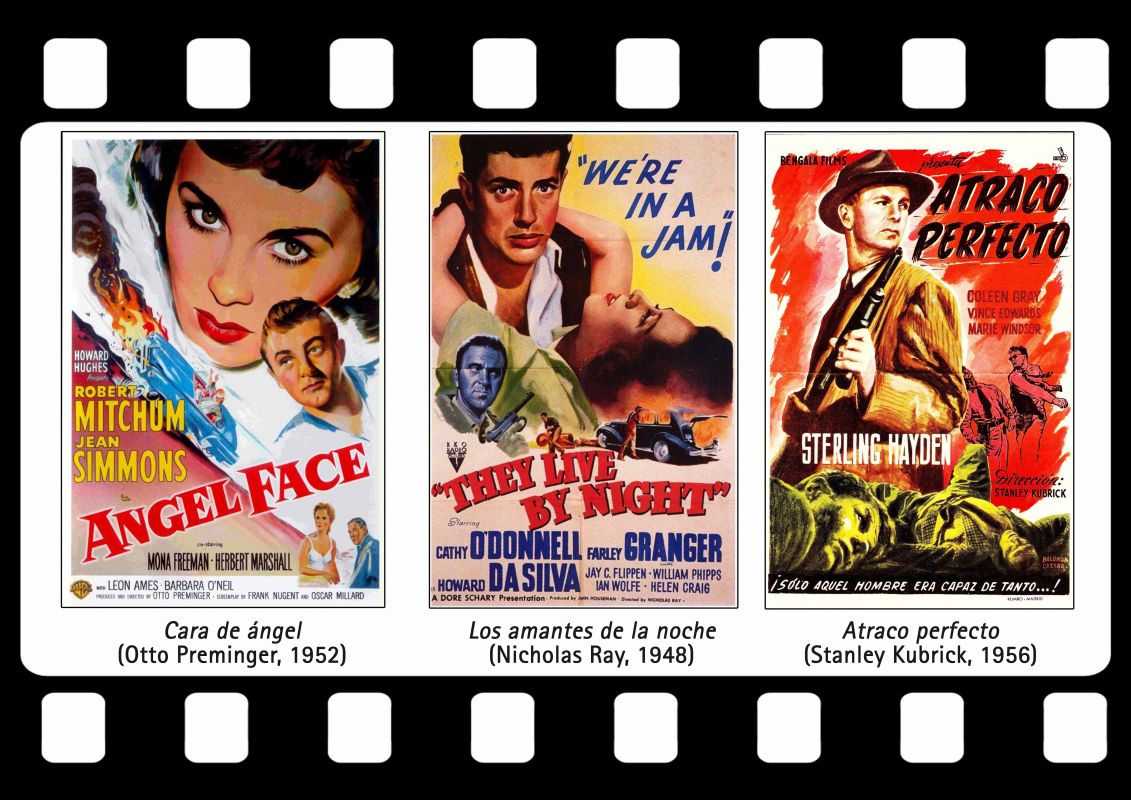
The exhibition Film posters that the Pusol School Museum opened at the Centro Cultural Las Clarisas last year, is now on display at the L Aljub Shopping Centre. Until 31 March, visitors can enjoy a score of leaflets from the first decades of the 20th century that belonged, for the most part, to the Gran Teatro de Elche.
Throughout its journey, the exhibition is divided into thematic sections: the evolution of cartelism in the first decades of the twentieth century, the Star System in Spain, the cartelism of Spanish cinema, etc. One of these sections focuses on analyzing the aesthetics of posters from the classic Hollywood period, based on the genre to which they belong.
An analysis of each of them has been carried out, contrasting its content with the rest of the posters of its genre and era. The result makes it possible to distinguish all those recurring elements that made it easier for the audience to identify the genre to which the film belonged.
One of these genera, Noir, as the French called it in the 1960s, emerged in the U.S. during the 1930s. The genus developed throughout the decade, becoming one of the great genera of the 1940s. There are many historical antecedents that allowed the appearance of the genre, but one of the most influential was the First World War. The vision of American society in the face of the Great War gradually evolved, silencing heroism and exaltation in favor of disenchantment. The aftermath of the war veterans made it difficult for them to adapt to society, which was going through a great depression; discouragement in the face of the reality of the situation favored organized crime and violence in the streets. The film echoes the consequences of the disaster, revealing the social reality through the characters and plot of the film.
Another background that influenced, this time in the aesthetic of the genre, is the German expressionist cinema of the 1920s. One of the clearest examples is the film "M, the vampire of Dusseldorf" (1931, Fritz Lang). This film includes many of the elements and traits that are considered typical of film noir, shaping the genesis of the genre a decade before its emergence.
At the narrative level, the genre bases its plots on the hard-boiled novels of the 1930s. These novels resorted to lewd plots and great violence. The term "black novel" comes from the color that the French publishing house Gallimard gave to the covers of his novels of the world of crime.
The aesthetic of the genre is very recognizable, with the use of contrasting chiaroscuros. In addition, with a use of very structured compositions, with the games of lights and shadows, which was already seen in the 1920s in films such as the Cabinet of Doctor Caligari (1920, Robert Wiene).
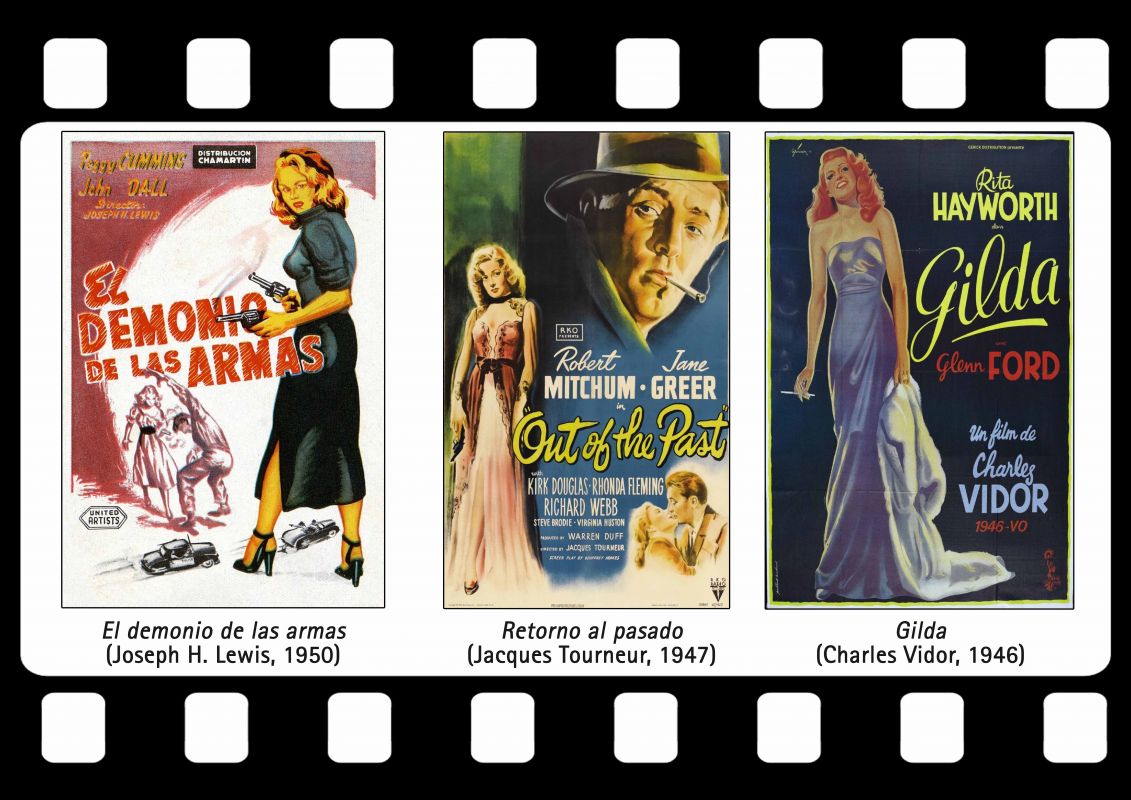
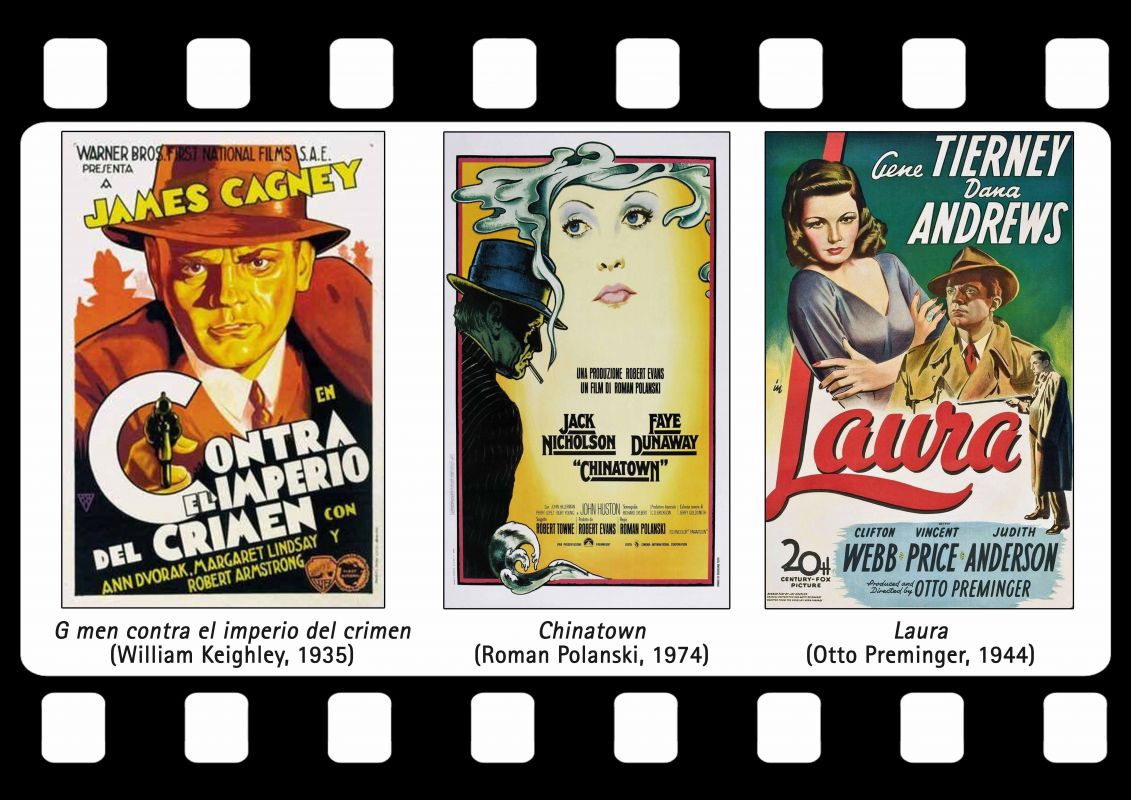
Many of these generic traits can be found in the poster (image 1) of the film Jaque al Rey (Sam Wood, 1935) located within the genre of gangster cinema, a direct antecedent of film noir. The great figure of the actress Myrna Loy heads the bill. His countenance and his clothing indicate, a priori, to the viewer the role that will play throughout the plot. The female character, in the same way that it appears represented in this poster, usually behaves with a certain sexuality (image 2), feature that will use as a weapon to interfere between the detective’s plans, who usually appears dressed in a trench coat and a hat (image 3). The magnifying glass that appears in the name of the actress appears broken, indicating that the detective’s investigation will be truncated by the character that plays the actress. There is, therefore, a contrast between the sexuality that the protagonist uses as a "weapon", with the gun that is usually reserved for the male character (image 4), indicating the roles that embody each of them. These assigned roles are usually repeated throughout the genre, but it does not stop them from varying. The representation of an action scene (image 5) is another resource that is often repeated and ends up highlighting the genre of the poster.
Today’s signage has evolved thanks to the development of graphic design and the digitization of images. Advertising has new digital media that relieve the poster as a marketing strategy to a secondary plane. But many of the advertising resources that today are used by distributors, are born in these first posters. Film posters is a collection that houses the essence of what cinema was through these original posters, many of them corresponding to already forgotten films. These posters add to the large number of collections preserved by the Pusol School Museum, the totality of which makes up a wide range of pieces that are the reflection of a pre-industrial society.
These posters clothed the walls of facades and movie theaters, and the theatres projected the films they represent, and film buffs cannot help feeling nostalgic for that past time we never lived through.
Author: Borja Guilló, technician of the School Museum.