The black wedding dress
26-08-2021
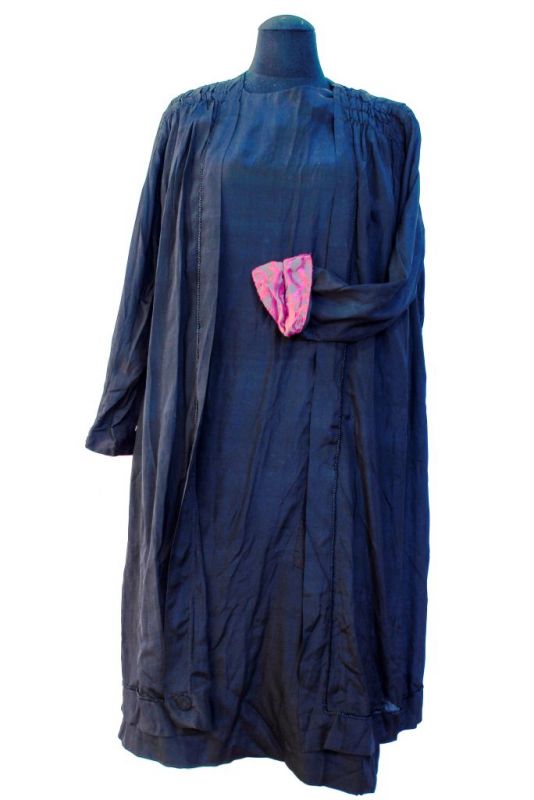
Among the donations that come to the museum, sometimes authentic treasures appear... At the end of 2019, a family made a donation of hundreds of pieces, mainly ceramics and clothing, all perfectly documented and dated. So, between these bags of sheets and baby clothes, what appears to be a black wedding dress appeared. Dating back to 1925, this satin dress, with ruched shoulders, decorative details of rope and inner cuff with floral motifs in fuchsia, belonged to María Quiles Antón.
According to her granddaughter, María Teresa Giménez Gomis, María was born in Perleta in 1904. From a very humble family, she soon worked in the fields and in the almond-splitter of the village (Mary said that at the age of four she already took care of the sons and daughters of the women who worked there). He married José Giménez Baeza at the age of twenty and, shortly after, settled in Las Bayas. Maria was always very hardworking, cheerful, sociable and liked boys and girls very much. Her granddaughter remembers her always dressed in black, wearing an apron and hairstyle with a bow tie.
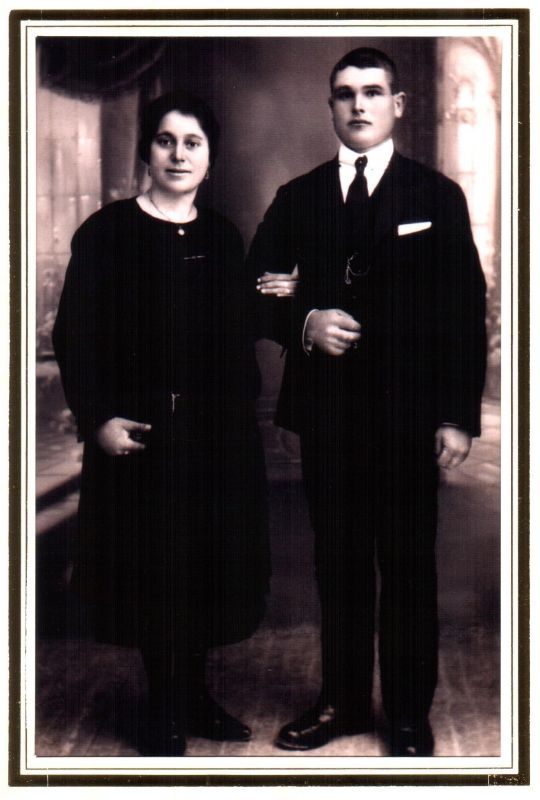
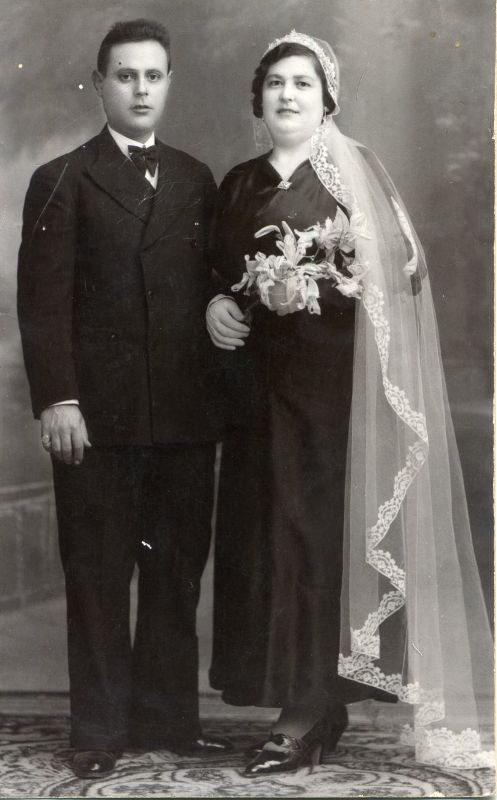
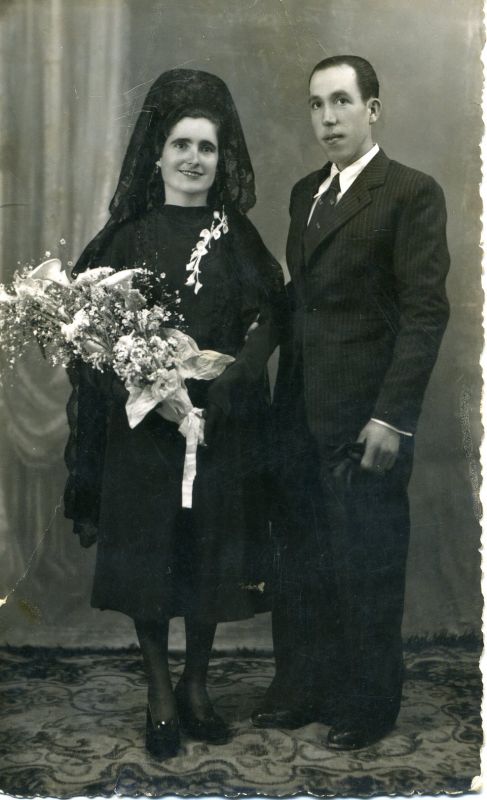
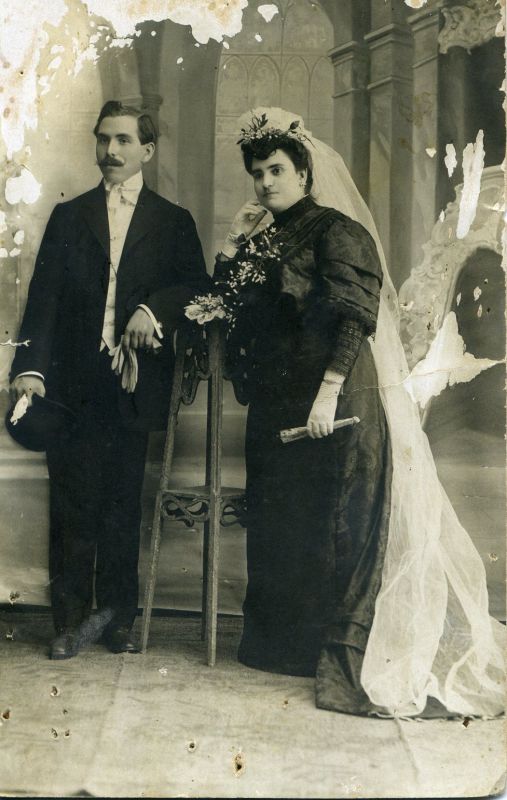
It is not so strange in its context, given that, to this day, how many women marry in black? It is not so strange. Women did not marry in white, but dressed in any color, mainly with elegant black pieces.
To get to the white dress you have to go back to 1840, to February 10, the day of the marriage of Queen Victoria of the United Kingdom with Prince Albert of Saxe-Coburg and Gotha, in which he wore a luxurious white dress (very costly, moreover, given that it was extremely difficult to achieve such a tone with the existing procedures). Queen Victoria initiated a fashion that, over time, would spread throughout the world and has come to this day.
However, the use of white in the wedding did not end up taking root in Spanish society until well into the 20th century, towards 1950. Here, before the twenties, it was common to wear black -among other colors- and wear the head covered by a veil or mantilla, also black, adjusted by a crown of white flowers of orange blossom, considered a symbol of purity. Orange blossoms also adorned the dress, they were placed in a small arrangement on the left side of the chest (as can be seen in some of the photographs attached to this article, from the museum’s Photographic Archive). It was from the twenties when the black veil began to be replaced by white and the arrangement of orange blossom by the bouquet of flowers.
Today we associate the color black with the tradition of mourning and the expression of mourning, more than with any celebration, but the fact of wearing black was "useful" for women, while reusing wedding clothes for other occasions or fabric to make new (fabrics were scarce after the Civil War...). Thus, the less affluent families married with any dress in their wardrobe, with black pieces -above all- while, at the weddings of the wealthy families, the brides wore white dresses.
Author: Marian Tristán, coordinator of the School Museum.