The urinal or what was before the toilet
19-11-2021
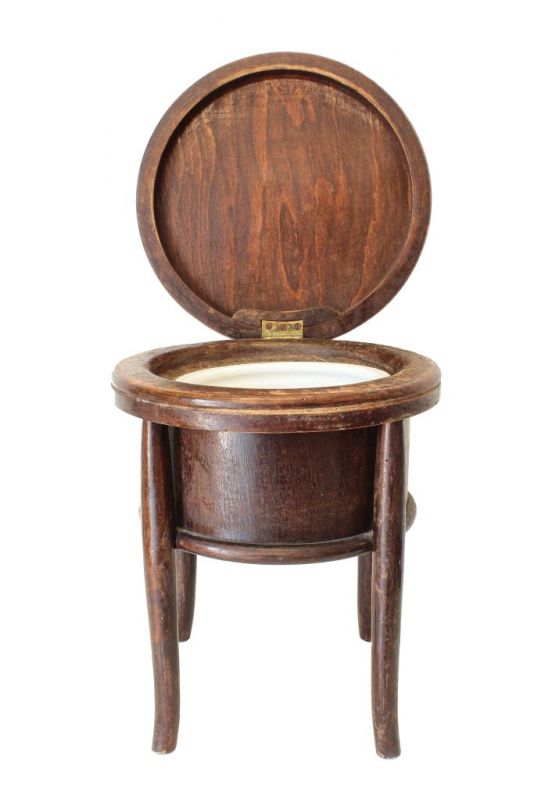
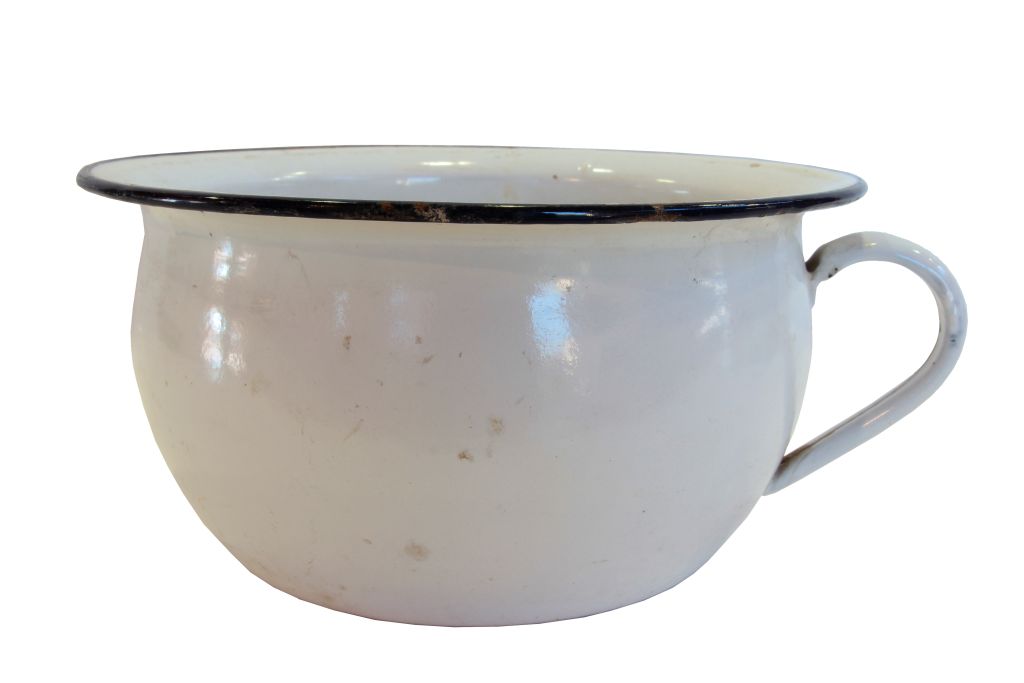
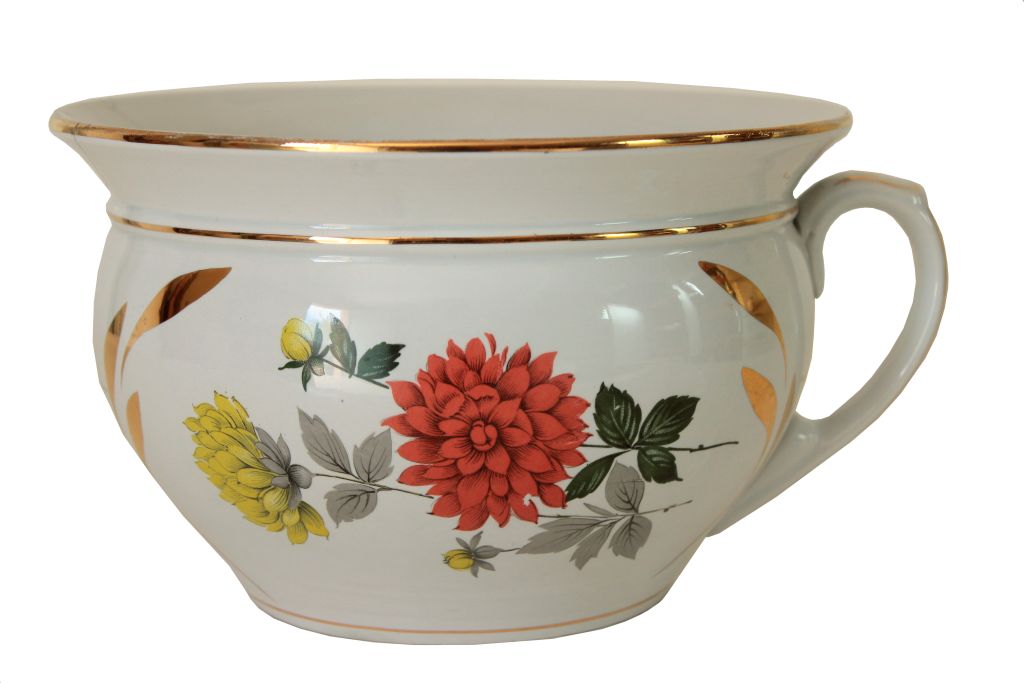
People who have already been born with certain "comforts", many times we do not consider what was before... And I speak of comforts in quotes, because they are things that we take for granted that they should be like that and, therefore, we do not give them the value they actually have... In this case, I mean the toilet.
From defecating squatting anywhere in the countryside, in full view of anyone, to the Roman public latrines that, after the fall of the Empire, fell into disuse. It was then passed to the extended use of the urinal, emptied through the windows in the same streets. John Harrington, godson of Queen Elizabeth I, invented the first such toilet in 1596: a wooden box with a hole that led to a porcelain cup, connected to a water tank that washed away the waste. But it was not until 1775 that Alexander Cummings devised the first modern toilet, which incorporated a siphon - an "S"-shaped pipe - to prevent bad smells. The fact of eliminating the smell made it possible to incorporate it into the houses, although this first cistern had its pluses and minuses. Joseph Bramah invented a valve that better closed the siphon and added another that closed the cistern, turning the toilet into a real toilet ("odorless").
However, if we focus on the time and place in which the collections of the Puçol School Museum are framed -that is, the Campo de Elche, from the end of the 19th century to the 1980s- the urinal was still Until well into the 1900s, it was one of the most important sanitation elements in domestic life (along with the zafero, perhaps), given that the conditions in the countryside were not the same as in the city. The district of Puçol, for example, did not have running water until well after the second half of the century. In the collections of the School Museum there are earthenware urinals -the most widespread- and metal, more austere and simple; others more decorated, with and without a handle. The urinal is still a bowl in which the waste is hidden, used by humble people and by wealthy and noble, hence some seem true works of art; This is not the case, however, with the pieces in the School Museum, which are much more austere in nature.
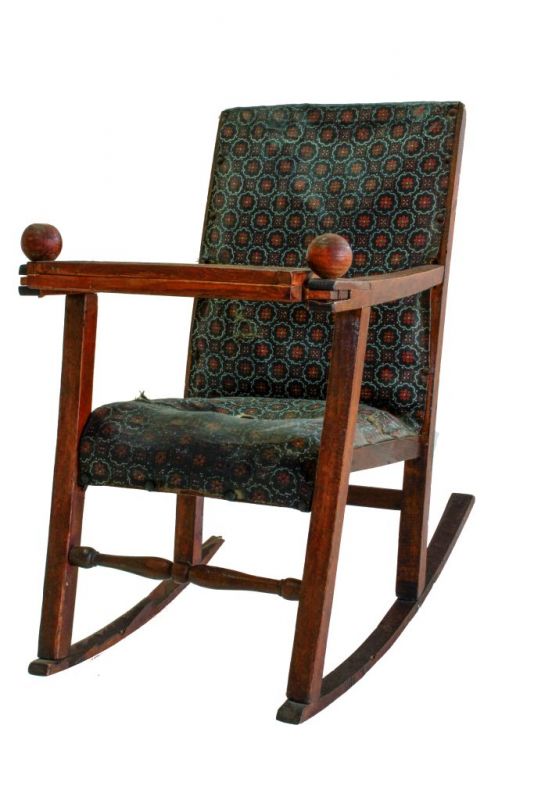
A curious element exhibited in the museum, in the bedroom of the country house, is known as "caganera" or "cagonera", a small rocking chair with a hole in its seat, so that young boys and girls They sat without underwear and with a small chamber pot under the rocking chair.
Today, November 19, World Toilet Day, I did not want to lose sight of this great invention and its history -in relation to the museum's collections-, as well as remembering that, even today, millions of people do not have access to toilets... One of the SDGs of the 2030 Agenda is to guarantee the availability of water and sanitation for all, since, what seems to be as simple as access to suitable toilets, leads to health problems, the spread of diseases and, consequently, to a high mortality.
Author: Marian Tristán, coordinator of the School Museum.