“Good Practices in heritage management”
28-10-2021
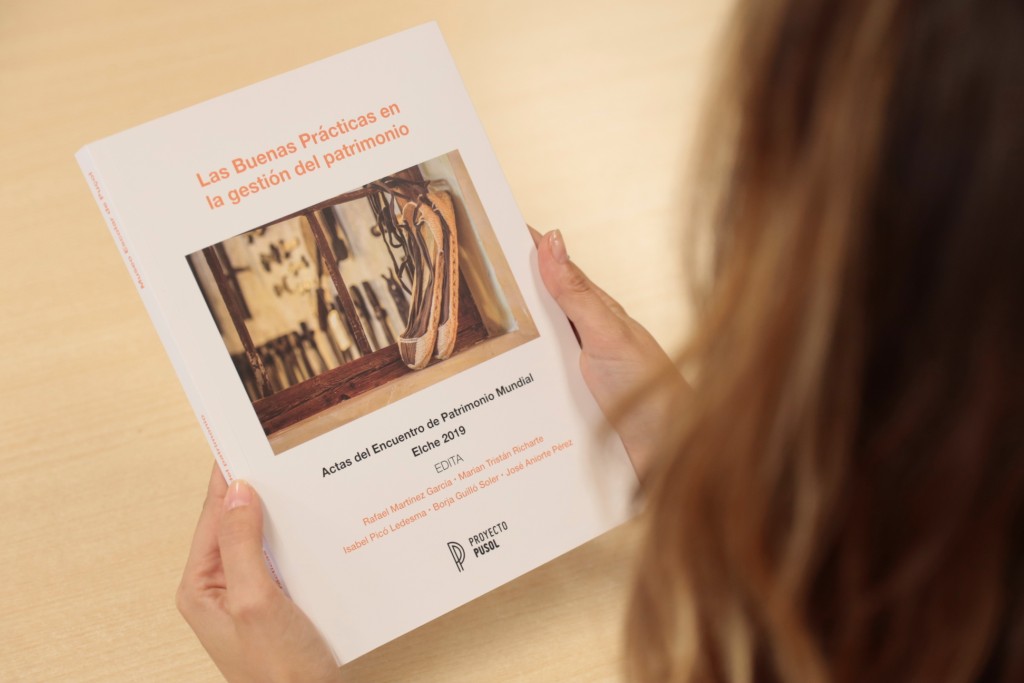
In the autumn of 2019, for a weekend, Elche became the municipality of Valencian heritage. The reason was the tenth anniversary of the recognition granted by UNESCO to the Educational-Museum Project developed in Puçol for fifty years.
Throughout these celebrations -which filled the streets with drumming, characters from the modernist era, fallas, muixerangas, Misteri music...-, the Ciutat d'Elx Congress Center hosted the World Heritage Meeting. This conference brought together members of the Ministry of Culture and Sports, the other two heritage sites -in addition to Puçol- included in the Registry of Good Practices for the Safeguarding of Intangible Cultural Heritage and representatives of all Valencian heritage sites.
We have had to wait two years for the book of minutes of that meeting to see the light. No one expected that a pandemic would force us to be isolated and isolated at home, that museums would have to close as a health precaution or that school visits - weighty sustenance in the daily operation of the Puçol School Museum - would be canceled for two courses. .. But today we can finally say, and with great enthusiasm, that this publication is a reality.
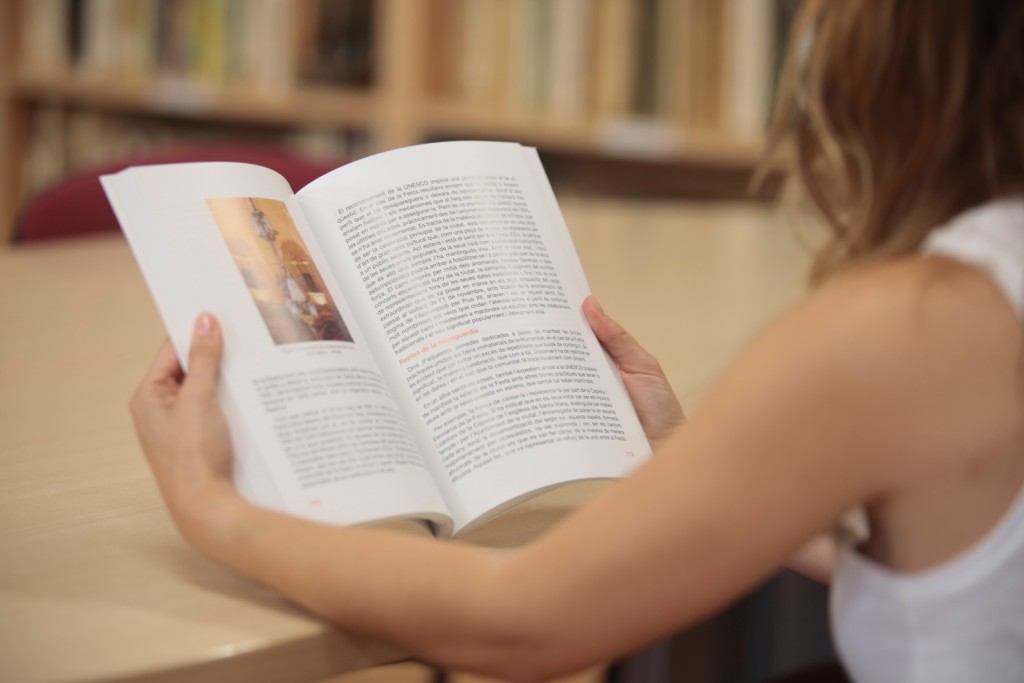
"Good Practices in heritage management" includes the interventions of the speakers, who spoke about the safeguarding and management of their respective heritage, about the same Convention for the safeguarding of the Intangible Cultural Heritage and the National Cultural Heritage Plans.
The index of the book, which follows the order of the 2019 papers, is as follows:
- Foreword. Luis Pablo Martinez Sanmartin.
- Introduction. Rafael Martínez García and Marian Tristán Richarte.
- The Convention for the Safeguarding of Intangible Cultural Heritage of UNESCO and the Registry of Good Practices. Maria Agundez Leria.
- Spanish experiences registered in the Registry of Good Practices for the Safeguarding of Intangible Cultural Heritage:
- Some good practices developed under the national cultural heritage plans. Carmen Caro Jaureguialzo.
- From tradition to innovation. Isidoro Gordillo Mesa.
- La cal de Morón, transboundary project of good safeguarding practices in Turkana, Africa. Manuel Gil Ortiz.
- Inventory Intangible Cultural Heritage: tools to face an unavoidable need (Montseny, Barcelona). Lluis Garcia Petit.
- Presentation of the Educational-Museum Project of the Puçol school. Rafael Martínez García and Isabel Picó Ledesma.
- The Good Practices in the Safeguarding of the Tangible Cultural Heritage recognized by UNESCO in the Valencian Community:
- The Market of the Merchants of Valencia. Arturo Zaragoza Catalan.
- The Rock Art of the Mediterranean Arc in the Iberian Peninsula (ARAMPI), Valencian Community. Jose Antonio Lopez Mira.
- El Palmeral de Elche: relict agricultural cultural landscape. Social participation in the management of tangible heritage. Gregorio Aleman Garcia.
- The Good Practices in the Safeguarding of the Intangible Cultural Heritage recognized by UNESCO in the Valencian Community:
- The Festa or Misteri d'Elx. Joan Castano Garcia.
- Court of the Waters of the Vega de Valencia. Towards Good Asset Management Practices. Javier Pastor Magdalena.
- The festival of “la Mare de Dèu de la Salut” in Algemesí. Julio Blasco Nacher.
- The festival of the Fallas of Valencia. Gil-Manuel Hernandez i Marti.
- Knowledge and techniques of the art of building dry stone walls. Francesc Xavier Martin Noguera.
- Las Tamboradas, rituals of drumming. "Let the drums of peace sound throughout the world." Agusti Ferrer Clari.
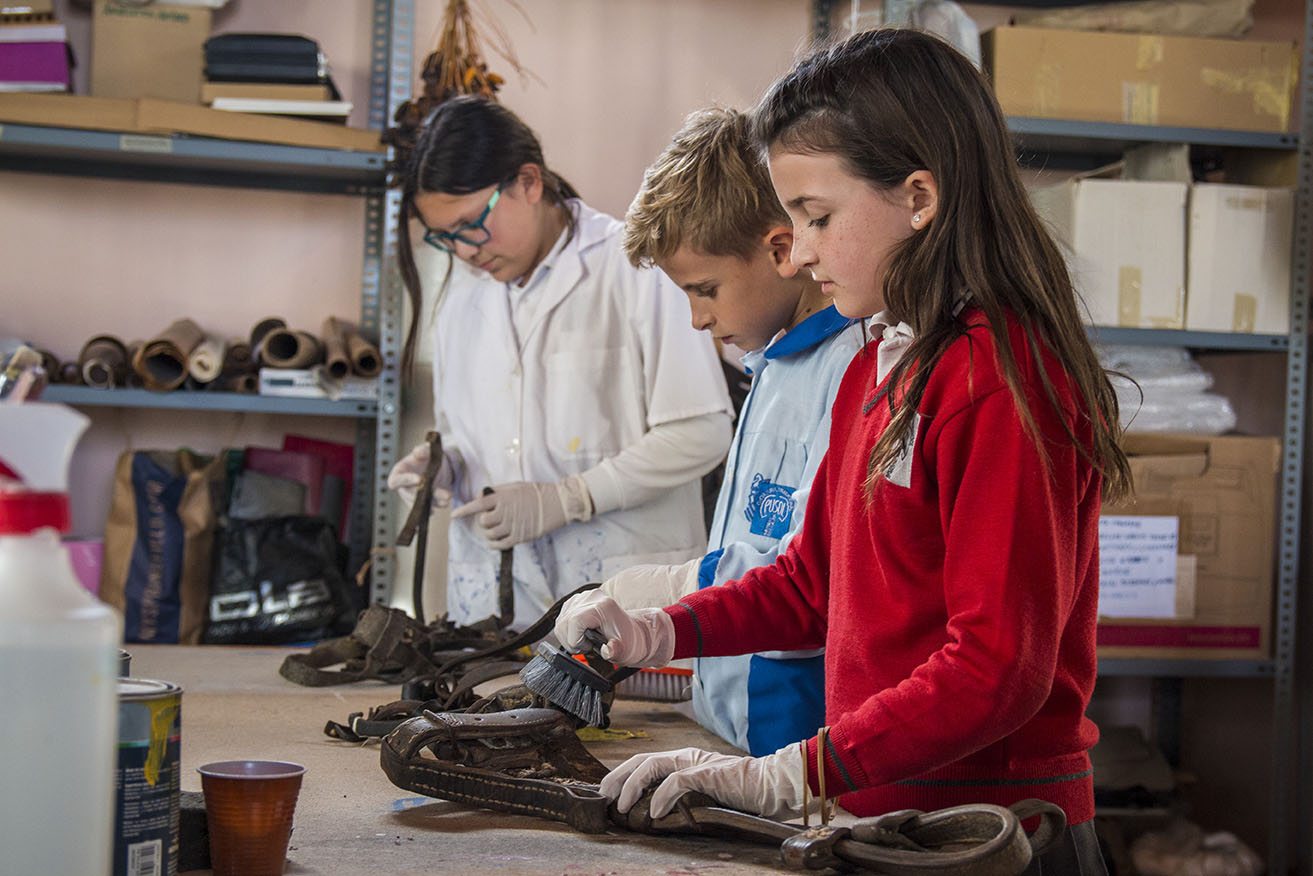
- Pusol Educational-Museum Project. José Aniorte Pérez and Marian Tristán Richarte.
- Conclusions. Rafael Martínez García and Marian Tristán Richarte.
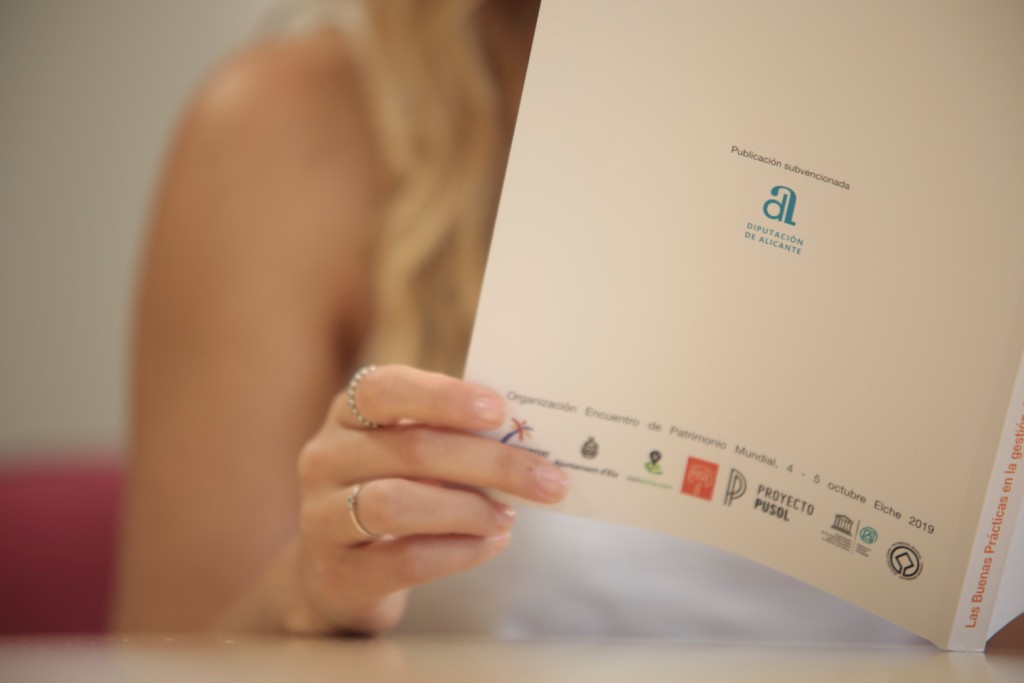
These minutes have been published thanks to the economic allocation of €3,469.05 from the Hon. Diputación Provincial de Alicante, award derived from the subsidy for this financial year intended for non-profit entities in the province to carry out cultural activities.
The physical book will be available at the School Museum facilities, the pdf of the publication can be viewed at www.museopósitol.com/media/descargas/77.pdf.
Author: Marian Tristán, coordinator of the School Museum.