1. Introduction
Nowadays, we are all familiar with the ecological philosophy of the three Rs as a response to the climate emergency and its harmful effects on both the environment and human beens. We are talking about reducing, reusing, and recycling, habits that combat the negative impact of excessive waste creation, due, among other many things, to mass production and the hectic pace of life we live in. There are other Rs that serve as examples for improving the health of our planet, such as repairing, renovating, recovering, etc. But what were the Rs like in the past? Was recycling possible before?
The world we live in today is very different from the one our ancestors knew in the mid-20th century. In rural areas like Camp d'Elx (countryside area of Elche), where technological advances arrived later than in cities, a recycling culture has always existed, a result of living conditions and practices related to what we now call the "circular economy."
Some of these practices included using barely processed natural materials, such as natural fibers, wood, clay, or paper, especially used for handicrafts; inheriting family objects, whether trousseau, household goods, clothing, etc.; repairing damaged objects using traditional craft methods; or reusing any raw material or waste, such as used oil, flock, compost, etc. That is the reason why this look to the past can be used as a model to combat our current problems and become a truly sustainable alternative.
2. Reuse, inherit, and donate: clothing and footwear
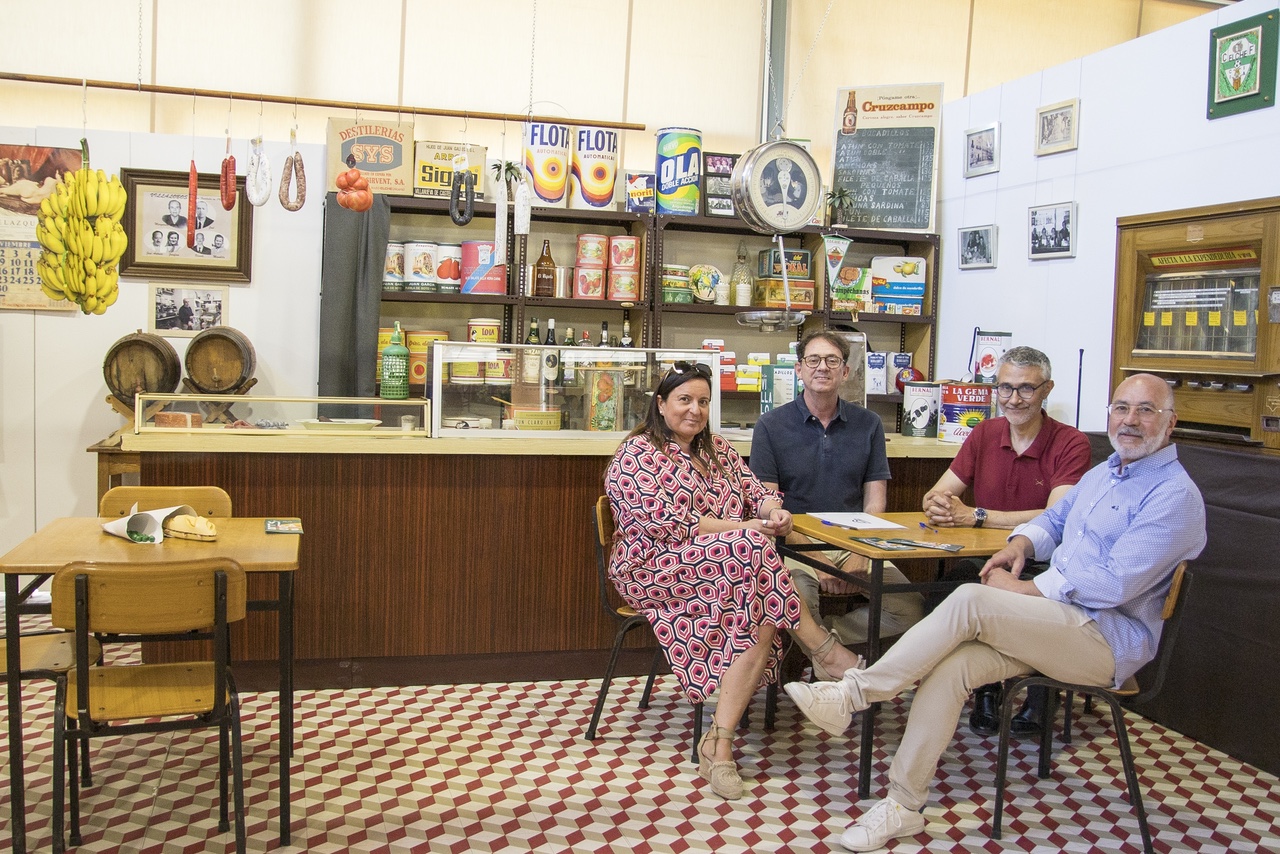
The facility of buying clothes today did not exist in the past, so inheriting them was common practice. Furthermore, if a garment was broken with a hole, women at home used to repair it; thus, we can find mended clothes in the museum, especially boys' and girls' trousers that were repaired with patches. It was also common to replace the collars and cuffs on shirts—sold in stores like José Campello's—which tend to wear away more often. Once it was no longer used for its primary purpose, clothing was reused: when an old shirt was broken, they cut it into rags.
These practices (reusing, inheriting, donating) continue to be developed, with increasing frequency. Compulsive clothing shopping and fast fashion entail a huge wear of our planet. Fuel, water consumption, synthetic materials…..none of these are good for the environment. For all these reasons, we are going back to our origins: using natural and environmentally friendly fibers, buying clothes made from recycled materials, donating them, and even selling them on secondhand platforms, so they can have a new life.
PHOTO: Clothing dumping in the Atacama Desert in Chile.
Tons of used clothing from the United States and Europe are dumped each year in this desert, which has become one of the largest illegal clothing dumps in the world.
DIAPERS:
• Reusable cotton diaper, first half of the 20th century.
• Reusable cotton and plastic diaper, second half of the 20th century.
• Disposable cellulose diaper, 2025. Single-use diapers began to be commercialized in the 1940s.
• Reusable polyester diaper, 2025.
3. Tools, Transport, and Everyday Objects
Farm tools were necessary for agricultural work, so if they broke down, they were usually repaired; but if they could not be repaired, they were repurposed. From a chimney bellows, they could make a sprayer to spray the fields. Today, something similar happens with tools like threshing boards, which are no longer used, but some people have repurposed them to make tabletops or doors.
In the past, people traveled long distances walking, so owning a bicycle made moving easier. When old bicycles are not prized items any more, that were even inherited, some people have seen a decorative purpose on them, painting and placing them in their garden or at their business. Very worn rubber tires could also be transformed into swings.
Objects that had fulfilled their primary purpose were often used for a new one. Some examples include glass bottles, which could be reused as rolling pins; and tin cans, which could be reused as containers or transformed into funnels. A similar thing happened with bed frames, which could easily be used as a fence to enclose a piece of land.
Nowadays, with the trend to include antique pieces in the home for decorative purposes, families use old wine botles as vases or the metal base of old sewing machines as table legs, to place the sink, or as an entryway forniture.
4. 1, 2, 3… toys from the past
In the middle of the last century, with less than favorable living conditions, leisure time played a secondary role in Spanish society, even for children. Those who made toys did it as craft work, using techniques of carpentry, pottery, and other trades. Therefore, in most cases, manufactured toys and other gadgets were considered luxury goods.
That is the reason why, in rural areas, it was more common to use imagination to have fun and create new toys with recycled and natural materials, such as cane, paper, wood, clay, wool remainders, etc., materials that could be found in the immediate surroundings. Some games could be played outside home and with one's own body, meaning zero waste, opening up a world of possibilities.
Overproduction and waste, encouraged by market demands and trends, highlight the environmental impact of the toy industry today. Most of these toys are made of plastic, so they are not only very difficult to be recycled, but they can also contain toxins that are harmful to users' health. This is why traditional games and toys can become a key element in combating this problem and be a truly sustainable alternative.
Our museum has compiled and researched about local toys, including caliche (similar to skittles), spinning tops, farolets (lamp made from a watermelon rind), tabalas (piece of the cut palm that remains on the trunk of the palm tree) for creating small boats, rag dolls made from patches, ceramic dolls, wooden cars, natural fiber skipping ropes, and any classic toy, such as the Valencian pilota (ball), which has survived until our days as a symbol of identity.
5. Raw Materials
Making the most of the raw materials available in the environment has been a common practice in traditional culture. The tedious extraction of these materials using rudimentary methods and non-mechanized labor has meant that these goods have been prized for centuries, giving them a several of uses and a long lifespan.
The Camp d'Elx (countryside area of Elche), rich in these elements, has been able to take advantage of many of the available resources. One of the main raw materials has been the palm tree, which has traditionally been used to make the white palm, although its use can also be seen in fencing, furniture, food, brooms making, compost, etc., becoming the origin of a strong culture of harnessing. Everything can be used from the palm tree.
Other elements widely used in the countryside, as well as in industry, have been rush, wool, hemp, barilla, esparto grass, and cane, the latter used for farm work and construction.
During these last decades, this culture of harnessing has been displaced by a culture of single-use, of the disposable and difficult-to-recycle materials. This shift in the excesive use of raw materials is seriously affecting the health of the planet.
6. Ceramics and Glass: Sustainable and Durable
For centuries, people have used plates, jugs, and containers made of materials like ceramic and glass. These everyday objects, which accompanied human beens throughout their lives, were made of sustainable and durable materials if they were properly cared for, unlike plastic materials, which are manufactured to last a short time and are often highly polluting to the environment, taking years to degrade.
In the past, when a ceramic object broke, it wasn not thrown away. The lañador, a now-extinct trade, repaired plates and cups with metal staples to give them a new life. This is why in traditional life they did not produce so many containers and objects, especially those for a single-use, as we do today.
In these times, returning to this series of materials would ensure a greater sustainability. Glass is a 100% recyclable material that can be transformed into new containers, while some plastics can only be recycled once or twice before becoming waste. Therefore, choosing materials like ceramic and glass instead of plastic helps to reduce pollution and to take care of the planet.
7. Our bit
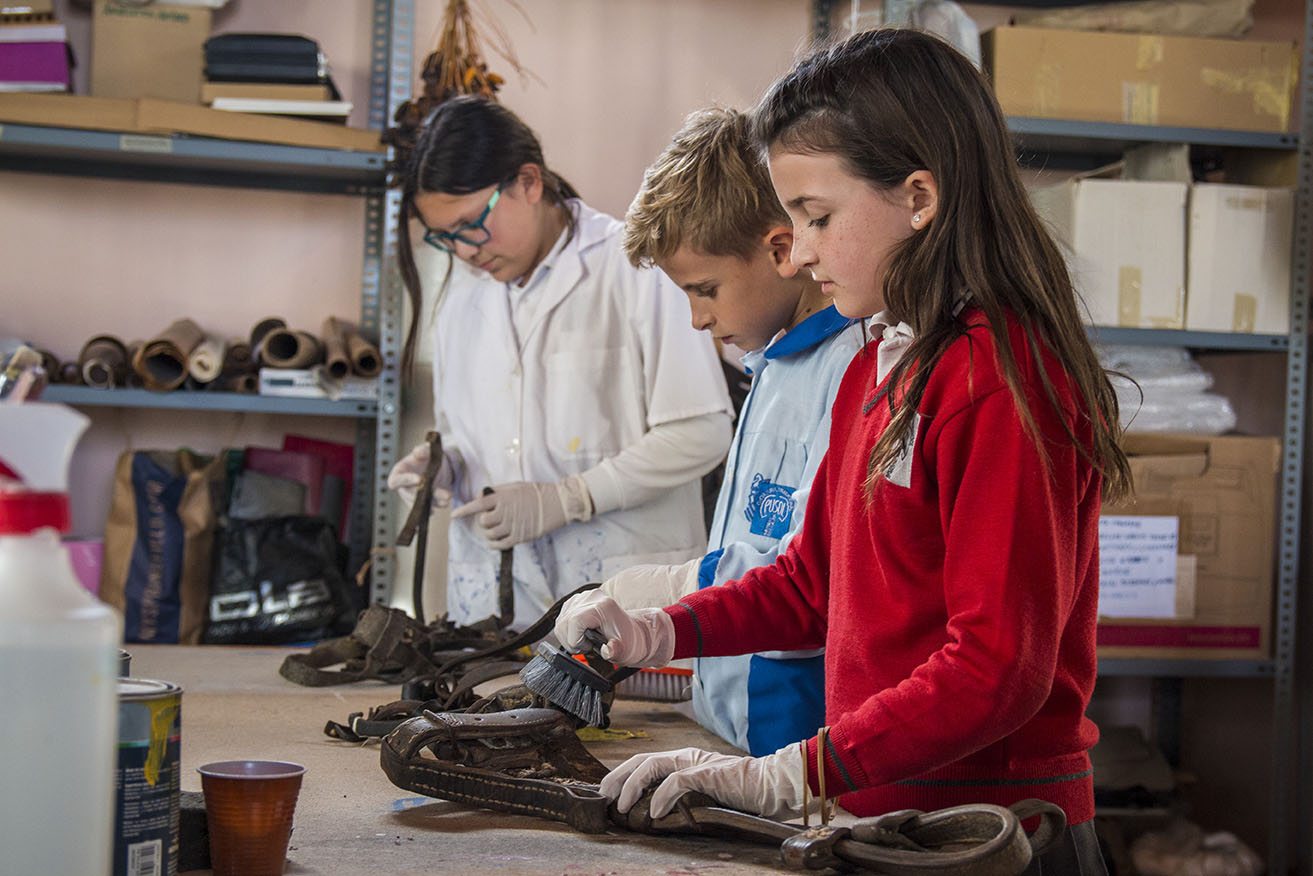
Starting from the modest daily actions we carry out at our school centre, we are laying the foundation for a society that is more respectful of our planet. These are small steps that do our bit to optimizing our resources.
Our small actions begin at home, by reducing disposable packaging in children's lunches. Upon arrival at school, our work continues with the responsible use of school materials, optimizing the use of paper and other items, and giving them a second use whenever possible. We have wastebaskets in our classrooms that make it easy to separate waste for recycling. We also participate in the collection of difficult-to-manage materials such as markers, ballpens, used glue, and batteries. We also create our own compost from the waste generated in the dinning room, creating quality fertilizer for our school garden.
On the other hand, many discarded materials offer us a unique opportunity in the learning process, as they allow us to work on many aspects like: art, science, mathematics, and more.